Typical results by house type Every house is different, so these are typical results, not promises. EPA rates active suction under the slab or under a crawl-space membrane at 50 to 99 percent less radon and says most homes can be brought to 2 pCi/L or below. Every system we install ends with a post-mitigation test.
Sources All Basement Slab Crawl space Multi-zone Passive pipe
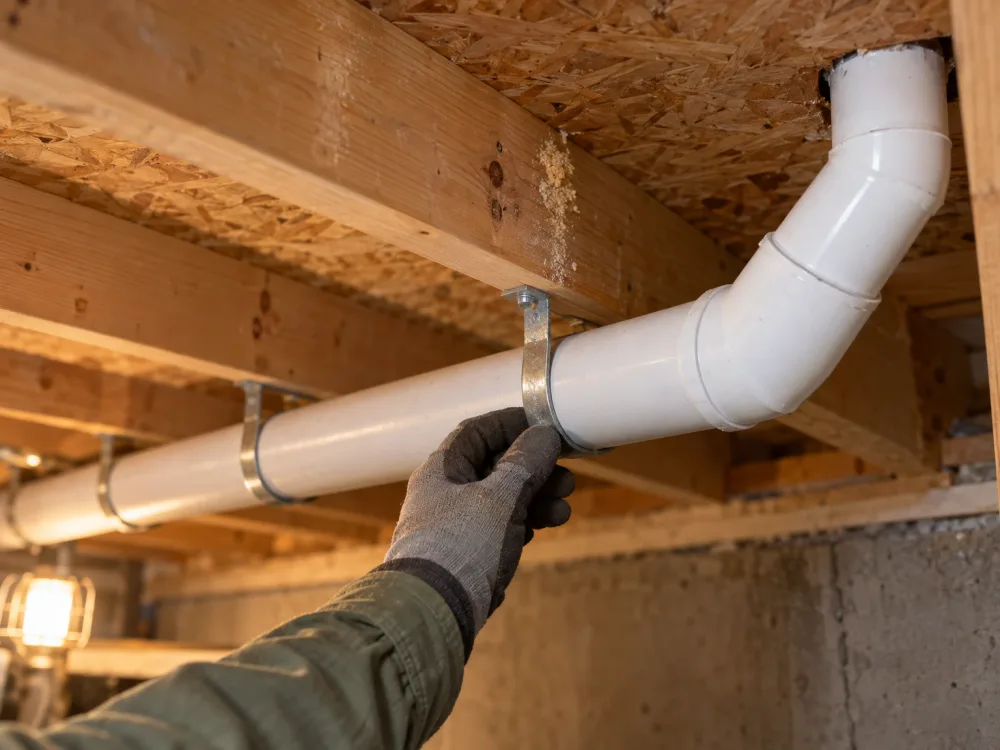
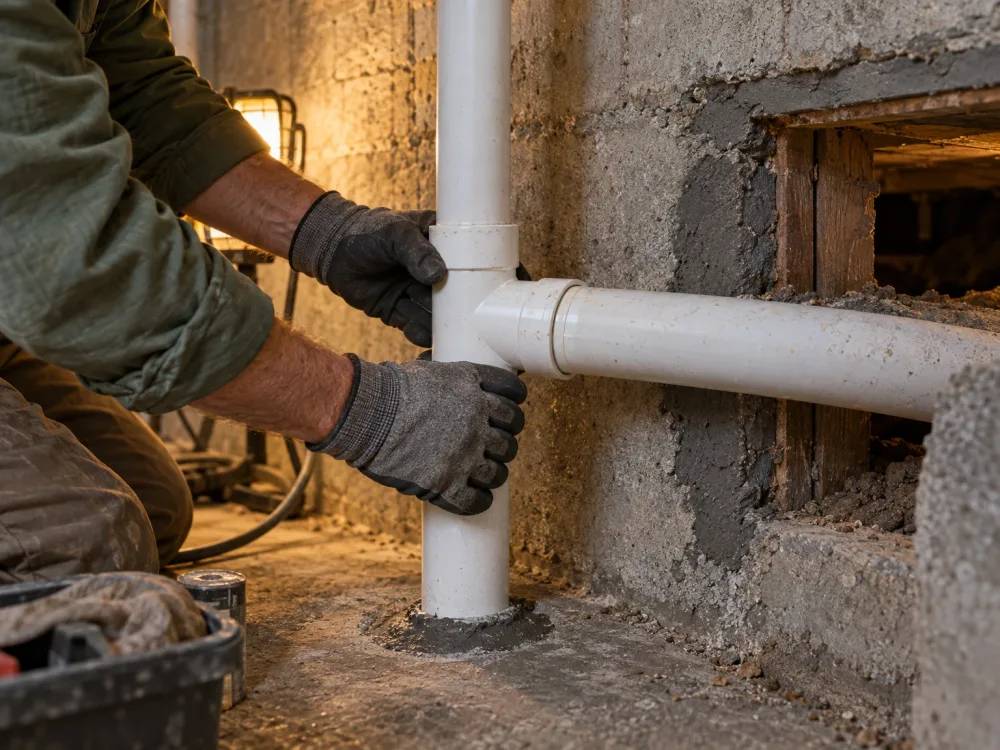
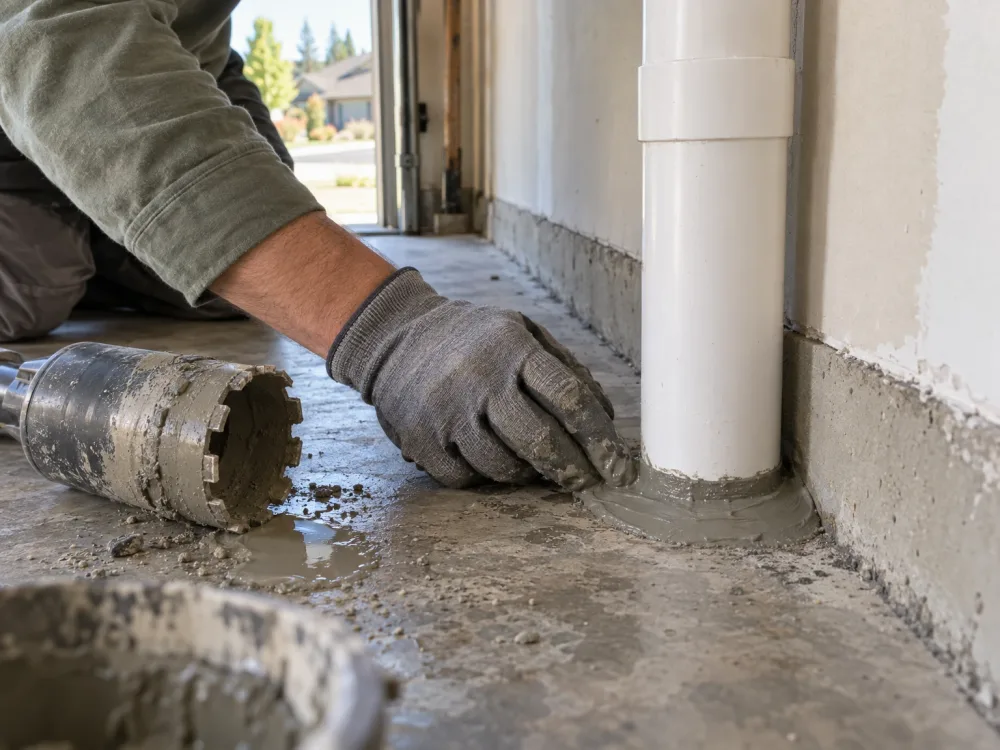
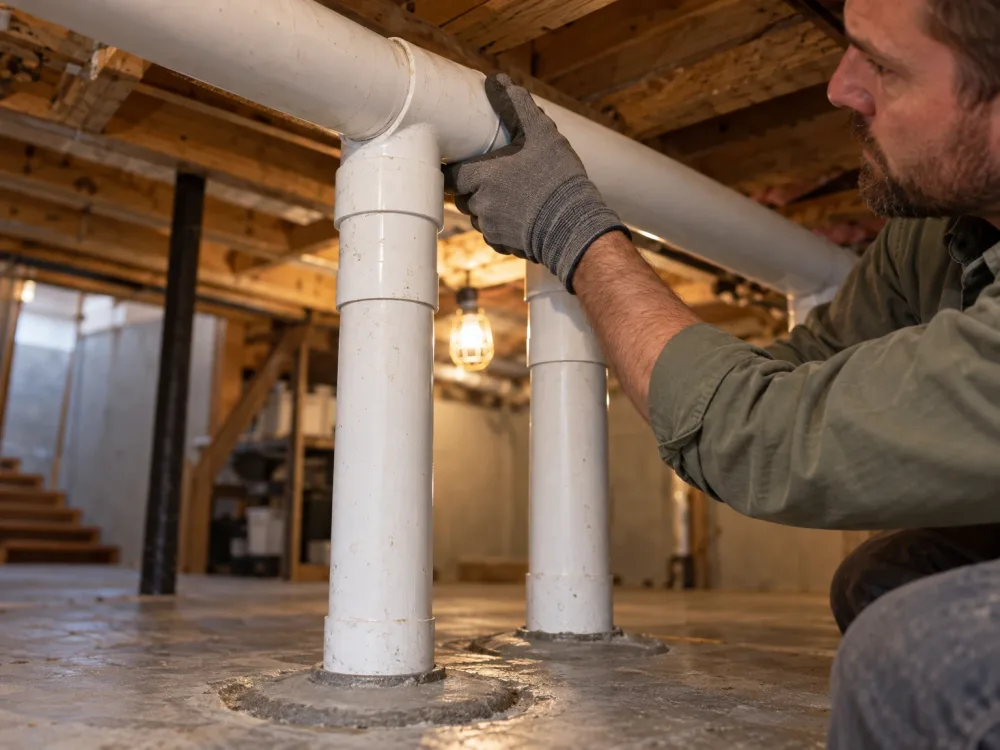
Basement on flood gravel Suction under the slab, pipe routed inside along the joists
50–99% less radon typical, per EPA
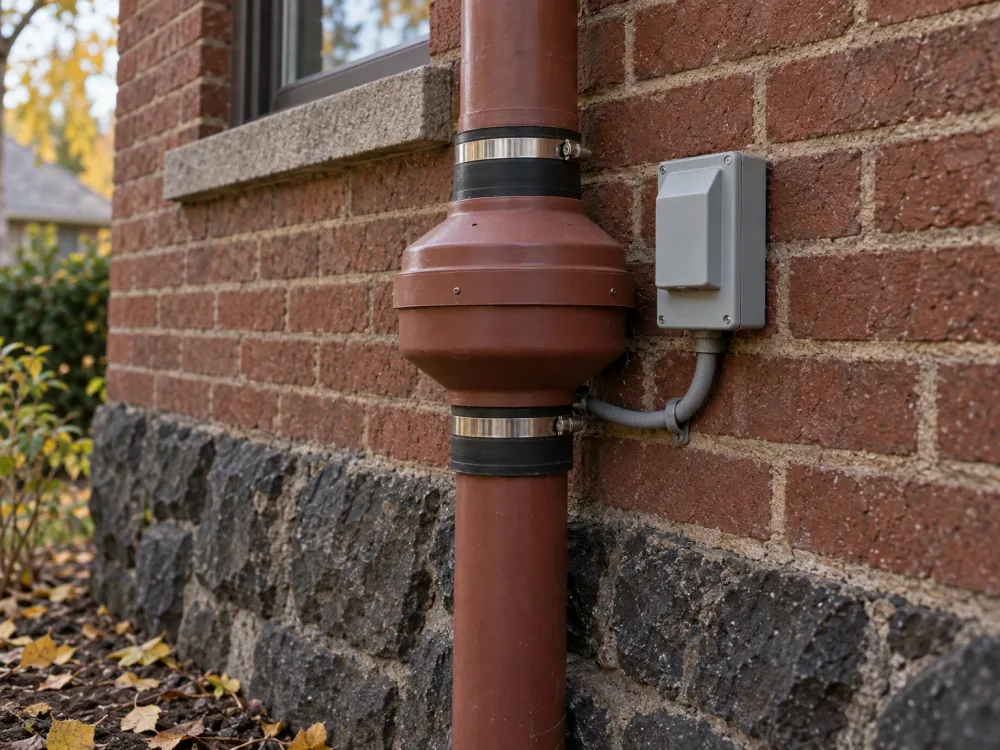
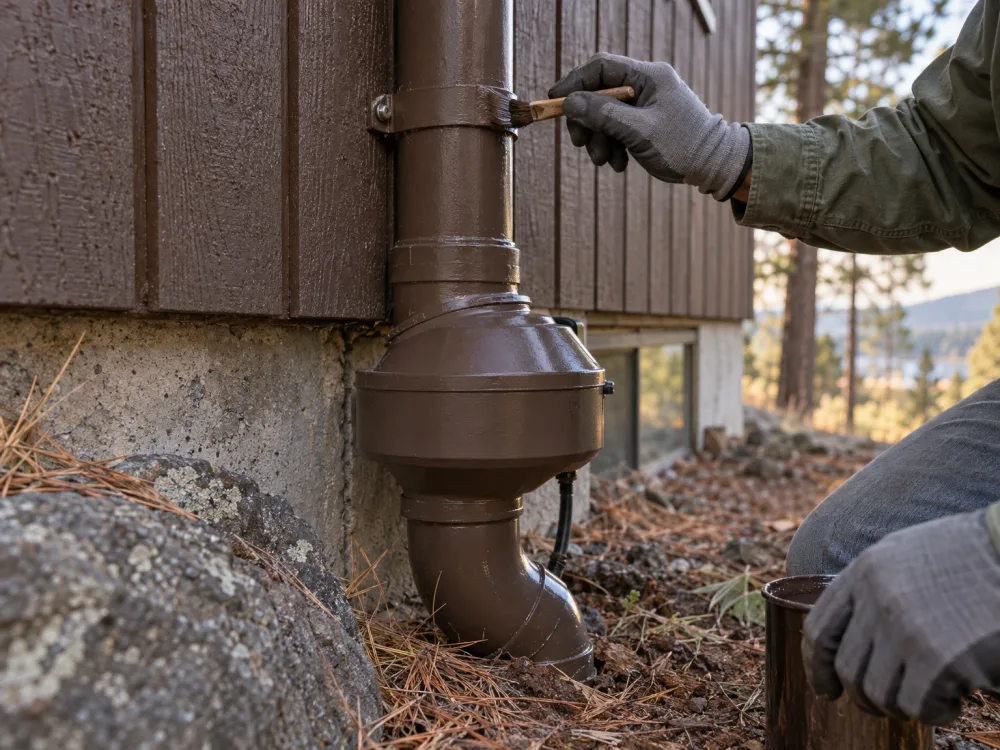
Basement systems → 1940s basement on basalt Suction under the slab, pipe and fan on the outside wall
50–99% less radon typical, per EPA
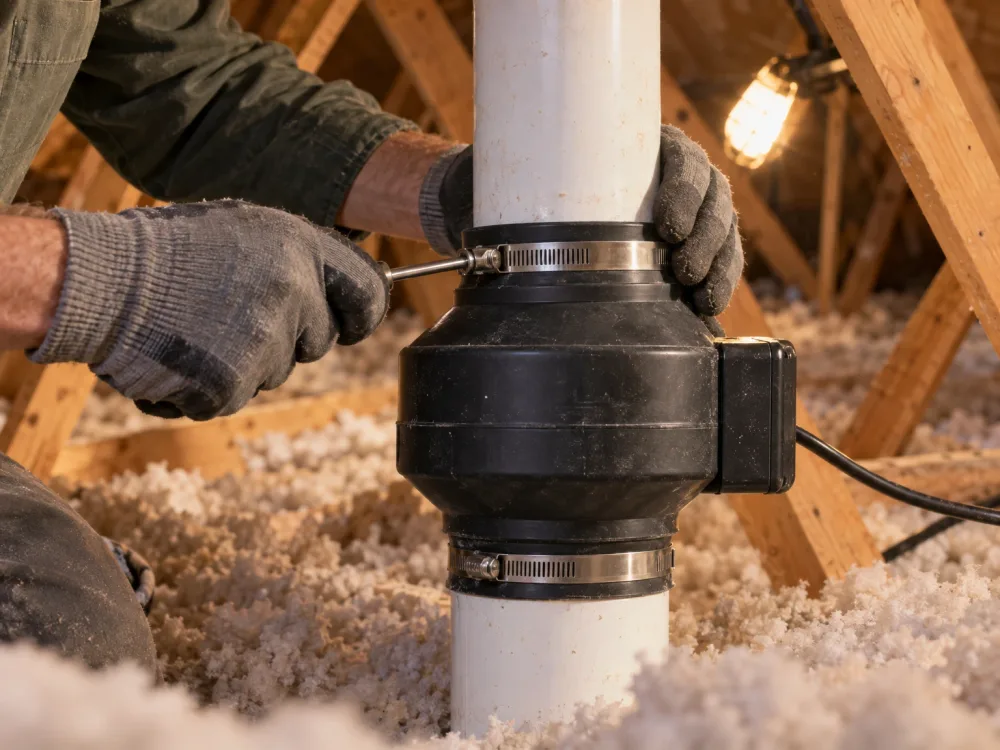
Basement systems → Newer home with a passive pipe A fan added to the pipe the builder left in place
30–70% passive, 50–99% with a fan typical, per EPA
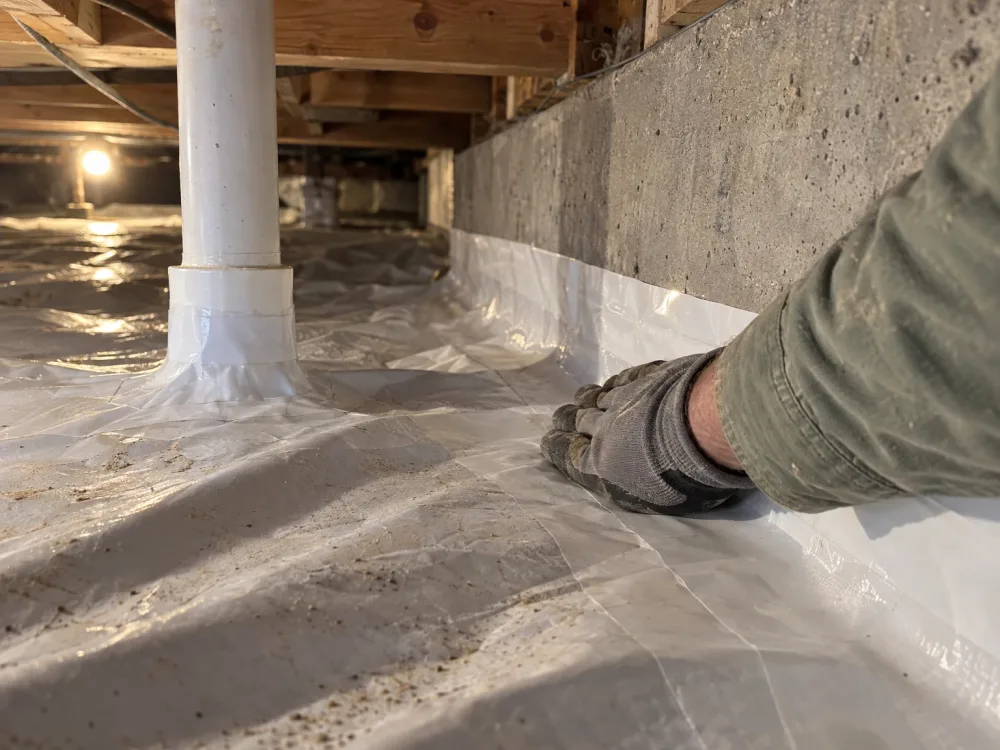
Passive pipe activation → Crawl space with a dirt floor Sealed membrane with suction underneath
50–99% less radon typical, per EPA
Crawl space systems → Basement with a crawl-space addition One fan pulling from under the slab and under the membrane
50–99% less radon typical, per EPA
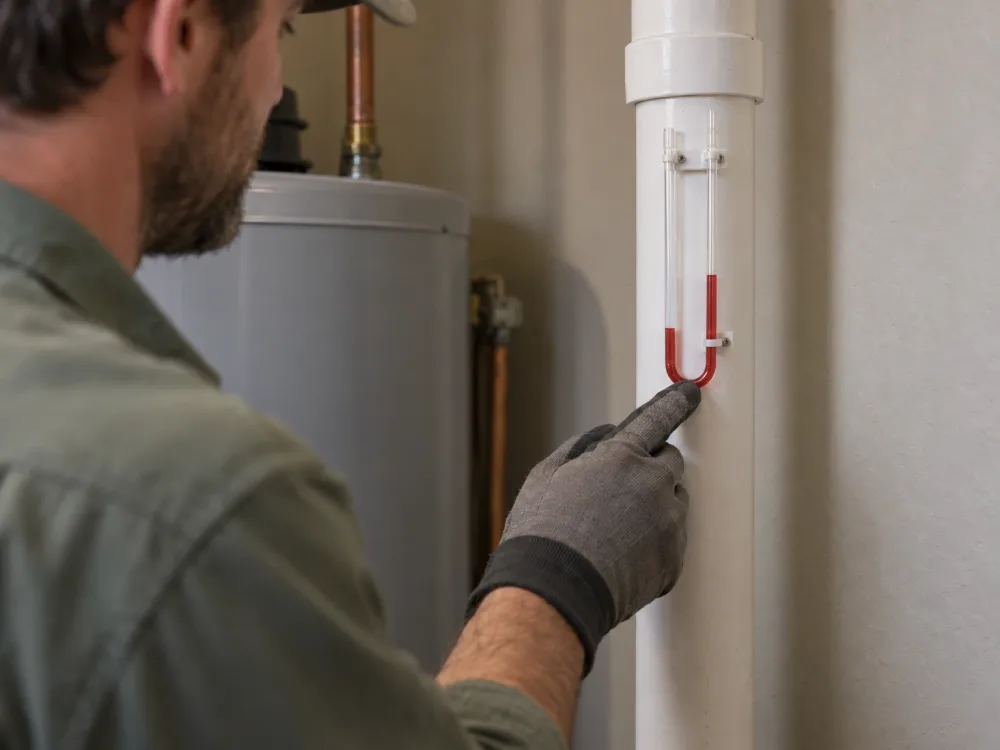
How systems work → Passive pipe with a gauge Activated pipe with a U-tube manometer to show the fan works
30–70% passive, 50–99% with a fan typical, per EPA
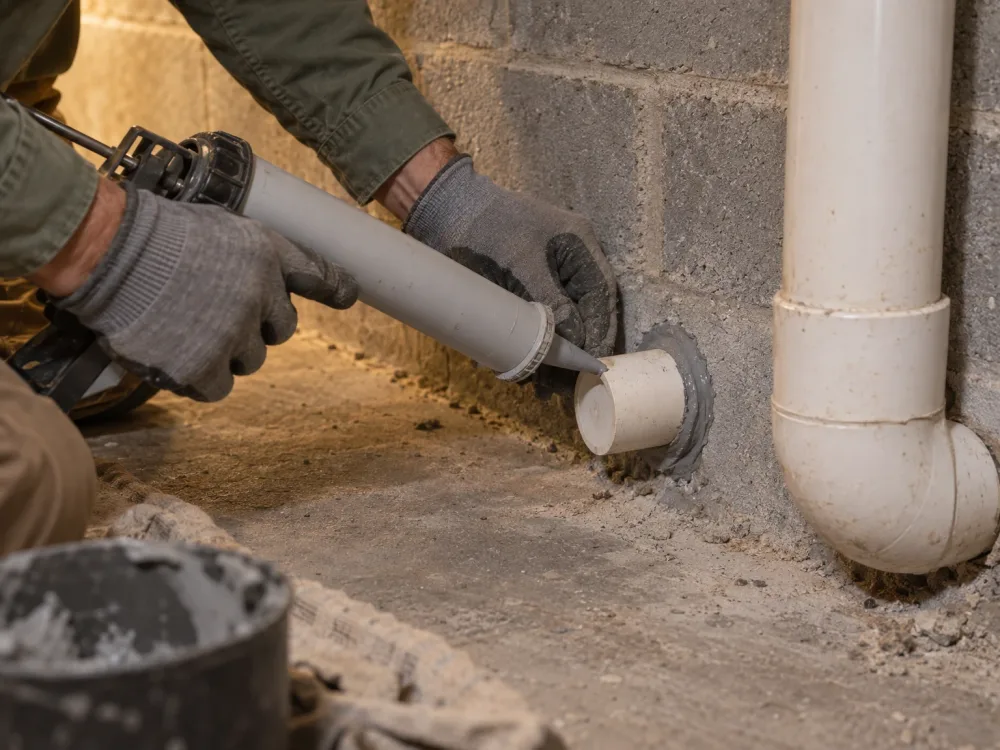
Passive pipe activation → Block-wall basement Suction under the slab, block walls sealed
50–99% less radon typical, per EPA
Basement systems → Duplex Two suction points joined to one fan
50–99% less radon typical, per EPA
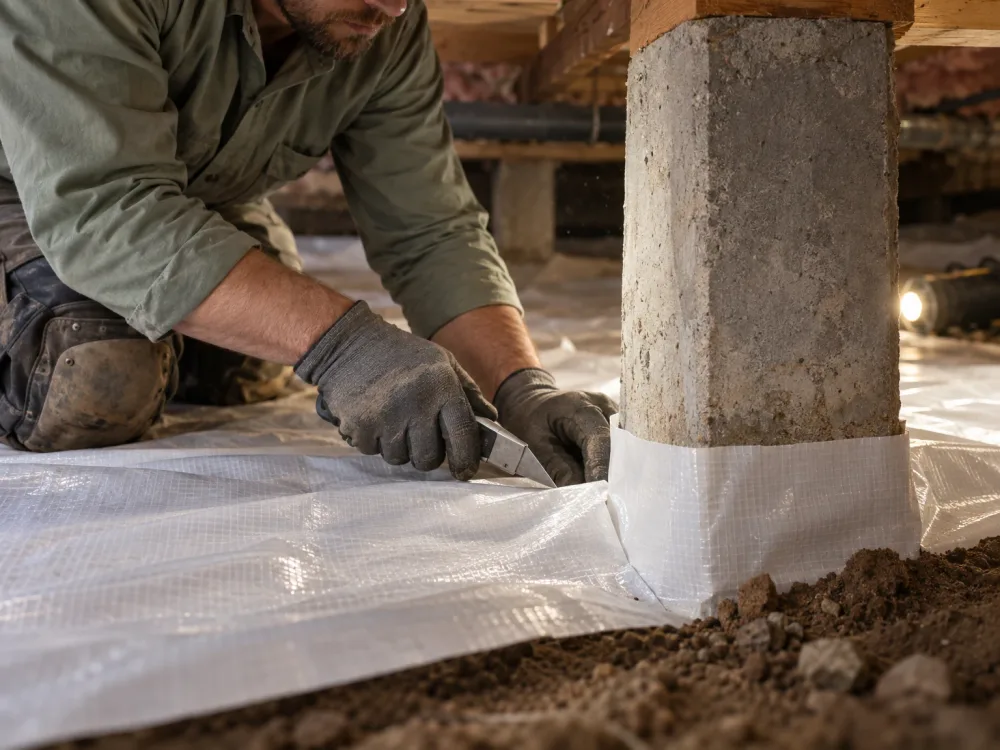
How systems work → Crawl space with piers Membrane fitted around the piers and sealed to the walls
50–99% less radon typical, per EPA
Crawl space systems → Daylight basement Suction under the slab, pipe up the back of the house
50–99% less radon typical, per EPA
Basement systems →